




























Why Your Raised Beds Need Pest Control

Why Your Raised Beds Need Pest Control
You've spent weeks preparing your raised beds, carefully selecting plants, and nurturing seedlings—only to find them decimated by an army of pests overnight. This gardening nightmare is all too common, yet entirely preventable. Your raised beds create the perfect environment for both plants and the critters that love to feast on them. Without proper pest control measures, you're fundamentally setting up an all-you-can-eat buffet for slugs, aphids, and numerous other destructive invaders. What's the solution to save your garden?
Key Takeaways
- Raised beds create ideal habitats for pests like nematodes and slugs due to concentrated moisture and nutrients.
- Without pest control, damaging insects can rapidly multiply and devastate entire crops before detection.
- Physical barriers like hardware cloth and mesh covers are essential preventative measures specific to raised bed environments.
- Companion planting in raised beds creates natural pest resistance while maximizing limited growing space.
- Daily monitoring is more crucial in raised beds where pest populations can explode quickly in the contained ecosystem.
Common Pests That Target Raised Bed Gardens
Your raised bed gardens face constant threat from a battalion of destructive invaders. Slugs, aphids, and squash bugs enthusiastically feast on foliage and stems, while green tomato hornworms silently devastate your prized tomato plants before you even notice their presence.

Japanese beetles don't discriminate, quickly causing widespread defoliation across multiple plant varieties.
Don't overlook what lurks beneath! Soil-borne pests like nematodes thrive in the moist environment your raised beds provide.
Effective pest control requires vigilance—scan daily for chewed leaves, suspicious droppings, or other early warning signs of these common garden pests. Early monitoring infestations prevents devastating population explosions.
Inspect plants daily—catching pest problems early means the difference between minor damage and total crop loss.
Implementing slug control methods and regularly checking leaf undersides for aphid colonies will dramatically improve your chances of maintaining your garden's health and productivity throughout the growing season.
Natural Barriers and Prevention Strategies
While early detection helps catch pest problems, prevention remains your most powerful strategy. Your raised garden beds can become fortresses against unwanted invaders when you implement thoughtful physical barriers.
Install hardware cloth beneath your beds to thwart burrowing pests before they reach your precious soil. Fabric raised beds naturally deter moisture-loving pests by reducing humidity and blocking crawling intruders.
Don't underestimate the power of diversity. Companion planting transforms your raised beds into a diverse ecosystem where beneficial insects thrive while garden pests struggle.
Strategic partnerships between plants create natural defense systems more effective than any chemical solution. For flying pests, consider adding mesh covers with flexible hoops that maintain airflow while providing protection.
These preventative approaches work together, creating a harmonious environment where your plants can flourish undisturbed.

Companion Planting as a Pest Management Tool
When strategically implemented, companion planting transforms your raised beds into natural pest control centers without chemical intervention. By pairing basil with tomatoes or adding marigolds throughout your planting area, you'll naturally deter aphids, squash bugs, and other destructive insect pests.
Don't overlook flowering herbs like dill and fennel, which attract beneficial insects that hunt garden pests while creating a thriving ecosystem in your raised beds.
Garlic serves as a powerful ally when positioned between vulnerable crops, markedly reducing beetle and spider mite populations.
You'll notice improved plant resilience and nutrient uptake when you design your garden with these relationships in mind. The beauty of companion planting lies in its dual benefits: it maintains healthy soil with diverse organic materials while keeping persistent pests away—ultimately resulting in the higher yields you're aiming for.
Organic Solutions for Existing Infestations
Despite your best preventive efforts, persistent pests sometimes establish unwelcome colonies in raised beds, requiring direct intervention with organic solutions.
Even nature's most stubborn invaders bow to thoughtful organic interventions in your garden sanctuary.
When you spot early signs of infestation in your carefully cultivated raised beds, don't reach for chemical options—nature provides powerful alternatives.
- Introduce beneficial insects like ladybugs that enthusiastically devour aphids, creating a living shield around your vulnerable plants.
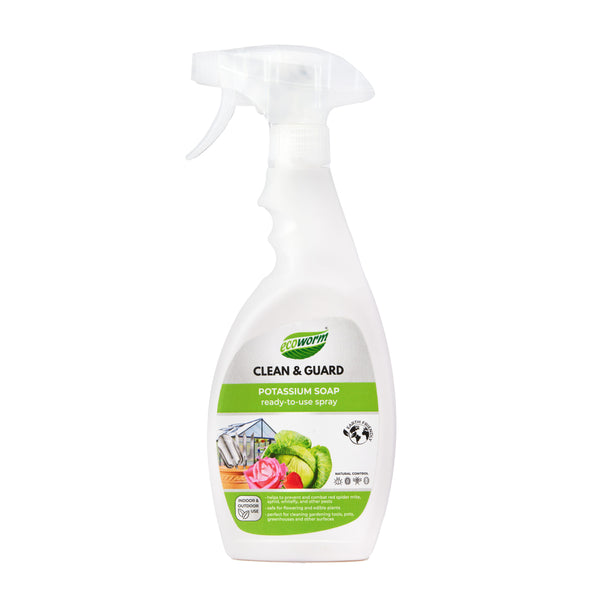
- Apply homemade insecticidal soap directly to soft-bodied invaders, suffocating them while leaving your soil untainted.
- Sprinkle diatomaceous earth around plant bases, creating an invisible yet deadly barrier against crawling pests.
- Intensify your companion planting strategy by adding more marigolds and pest-repelling plants where damage appears.
Frequently Asked Questions
What Is the 70 30 Rule in Gardening?
You'll maximize garden success by dedicating 70% to sprawling plants and 30% to vertical crops, ensuring ideal sunlight penetration, better air circulation, and reduced disease risk in your space.
Can Rodents Get Into Raised Garden Beds?
Yes, rodents can absolutely invade your raised beds! They'll tunnel underneath, climb over edges, and nest among your roots if you don't install hardware cloth barriers and maintain a debris-free perimeter.
Do Raised Beds Have Less Pests?
Yes, you'll enjoy fewer pest problems in your raised beds! The elevated design thwarts ground-dwelling critters, while improved drainage creates less hospitable conditions for many destructive insects and disease pathogens.
Do Raised Beds Attract Termites?
Yes, your wooden raised beds can attract termites, especially if you're using untreated lumber. You'll want to choose cedar or redwood and guarantee proper drainage to minimize these unwelcome invaders.
