


























Which Soil Blend Works Best for Raised Beds?

Which Soil Blend Works Best for Raised Beds?
When you're setting up raised beds, the soil mix you choose can make or break your garden's success. Unlike container gardening, raised beds require a special balance of components that retain moisture while draining well. You've likely heard conflicting advice about the "perfect blend" from fellow gardeners or seen expensive pre-mixed options at garden centers. But what's actually best for your plants? The answer depends on several factors that might surprise you.
Key Takeaways
- The "Perfect Recipe" blend (50% topsoil, 30% compost, 20% organic matter) provides balanced nutrients and healthy soil structure.
- Mel's Mix (equal parts peat moss, vermiculite, and compost) offers excellent drainage and nutrient retention.
- Heavy feeders like tomatoes benefit from soil with increased compost ratios to boost available nutrients.
- The 3-Way Blend with equal parts topsoil, sand, and compost improves aeration and prevents waterlogging.
- Regardless of initial mix, replenishing with 2-4 inches of compost biannually maintains soil productivity.
Understanding the Perfect Soil Recipe for Raised Beds
When creating the foundation for your raised beds, understanding the perfect soil blend can make all the difference between struggling plants and a thriving garden.

The ideal soil mixture follows a simple 50-30-20 formula: 50% topsoil, 30% compost, and 20% organic matter.
Follow the golden 50-30-20 rule for perfect raised beds: half topsoil, nearly a third compost, and the rest organic matter.
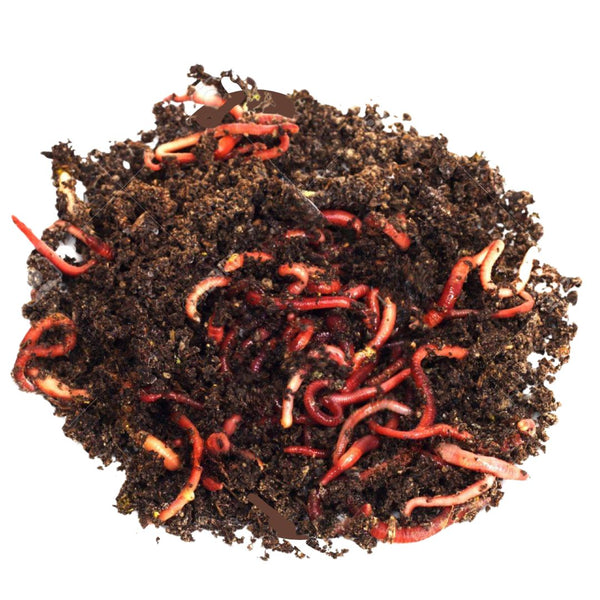
Your topsoil should be nutrient-rich and dark brown, crumbling easily when squeezed. Pair this with fully decomposed compost and diverse organic matter sources like worm castings, fallen leaves, and well-aged poultry manure.
For raised bed gardening success, consider adding coarse sand to improve drainage in denser soils.
This balanced approach creates a light, fluffy texture that promotes plant health while supporting beneficial microbial activity.
Remember to continue adding organic matter throughout the year to maintain your soil blend's peak performance.
Popular Soil Blend Combinations and Their Benefits
Successful gardeners know that choosing the right soil blend can transform your raised bed garden from mediocre to magnificent. The perfect soil creates an ideal environment for plant roots while balancing drainage and nutrient retention.
| Soil Blend | Composition | Benefits |
|---|---|---|
| Mel's Mix | 1/3 peat moss, 1/3 vermiculite, 1/3 compost | Excellent drainage, superior nutrient retention |
| Perfect Recipe | 50% topsoil, 30% compost, 20% organic matter | Balanced nutrients, healthy soil structure |
| 50/50 Mix | Equal parts topsoil and compost | Enhanced moisture retention, microbial activity |
| 3-Way Blend | 34% topsoil, 33% sand, 33% compost | Improved aeration, prevents waterlogging |
| Enriched Mix | Base soil plus worm castings and aged manure | Long-term fertility, sustained plant health |
You'll find your raised bed soil performs best when you customize these blends based on your specific garden needs and plant requirements.
Customizing Your Soil Mix Based on Plant Needs
Different plants have unique soil preferences that can significantly impact their growth and productivity in your raised beds.
While the standard 50% topsoil, 30% compost, and 20% organic matter provides a solid foundation, you'll achieve superior results by tailoring this mix to specific plant needs.

For heavy feeders like tomatoes and peppers, increase the compost ratio to boost nutrient availability without compromising drainage. Consider incorporating worm castings to enhance microbial activity and improve soil structure.
If you're growing moisture-sensitive plants in lighter soils, add extra organic matter to improve moisture retention.
Don't overlook the importance of soil pH—regularly test and apply tailored amendments based on these results.
This systematic approach guarantees you're providing the best growing environment for each plant variety, maximizing both health and yields.
Maintaining and Replenishing Raised Bed Soil Over Time
Unlike annual gardens in the ground, raised bed soil requires consistent attention to maintain its productivity year after year.
You'll need to replenish organic matter regularly by adding 2-4 inches of compost each spring and late summer. Implement topdressing by applying this soil amendment without disturbing the established bed structure—this preserves valuable microbial communities.
Monitor your soil health through visual inspections, adjusting organic matter levels based on what your plants need.
Don't leave your raised beds empty during off-seasons. Plant cover crops or use the chop and drop technique with spent plants to continuously enrich your soil.
Apply mulch to protect against erosion, retain moisture, and suppress weeds. Maintaining your own compost pile provides a renewable source of nutrients that will keep your raised beds thriving season after season.
Frequently Asked Questions
What Is the Best Soil Mix for Raised Beds?
You'll get the best results with a 50/30/20 mix: 50% topsoil, 30% compost, and 20% organic matter like leaves or straw. This blend guarantees nutrient-rich, well-draining soil for thriving plants.
Is 50/50 Soil Good for Raised Beds?
Yes, a 50/50 topsoil-compost mix is excellent for your raised beds. You'll get ideal drainage, nutrient availability, and moisture retention while creating a balanced environment for your plants' root development.
How Do I Make My Own Soil Mix for Raised Beds?
Combine 50% quality topsoil, 30% compost, and 20% organic matter like worm castings or aged manure. Mix thoroughly initially, but don't disturb established soil later. You'll create perfect growing conditions.
What Soil Will I Need to Fill My Raised Veggie Bed With?
You'll need a 50% topsoil, 30% compost, and 20% organic matter blend. Look for dark brown, crumbly topsoil and incorporate diverse organic materials like worm castings and fallen leaves.
