


























What Nobody Tells You About Using Insecticide Options for Raised Beds Near Edible Crops

What Nobody Tells You About Using Insecticide Options for Raised Beds Near Edible Crops
You're probably reaching for that insecticide bottle without realizing what it could do to the tomatoes growing three feet away. Most gardeners assume proximity doesn't matter — they're wrong. Systemic chemicals travel through soil, drift through air, and quietly contaminate crops you never even targeted. Before you spray anything near your raised beds, you need to understand what product labels actually mean and why ignoring them could make your harvest genuinely dangerous.
Key Takeaways
- Most insecticide labels legally prohibit application on edible crops, making compliance non-negotiable to protect food safety and avoid penalties.
- Systemic insecticides absorb through roots and contaminate edible tissues, even when applied several feet away from raised beds.
- Natural alternatives like insecticidal soaps and neem oil offer safer pest control options near edible garden beds.
- Never spray insecticides on windy days, as drift can invisibly contaminate nearby edible crops and render them unsafe.
- Always respect pre-harvest intervals listed on insecticide labels to ensure harvested produce remains safe for consumption.
Why Most Insecticides Are Off-Limits Near Edible Raised Beds?
When you're growing food in raised beds, the insecticide options available to you shrink dramatically — and for good reason. Most pesticides carry legally binding product label restrictions that explicitly prohibit use near food crops. Products like Suspend Polyzone ban application on edible crops entirely, while others enforce strict exclusion zones.

Here's what many home gardeners miss: it's not just about direct contact. Systemic active ingredients absorb into plant roots, contaminating edible tissues even when you apply them several feet away. Accidental drift makes the entire plant unsafe — meaning disposal, not harvest.
Effective pest control near raised beds demands full compliance with label guidelines. Ignoring them doesn't just risk your safety; it threatens beneficial insects, your food supply, and your legal standing as an applicator.
How Drift and Root Absorption Contaminate Edible Crops You Never Sprayed?
Even if you never point a sprayer at your raised bed, your edible crops can still end up contaminated — and that's the part most gardeners don't see coming.
Two invisible pathways make this happen:
- Drift onto edible crops occurs when mist blowers or foggers carry active ingredient particles beyond your target zone, reaching plants you never intended to treat.
- Systemic insecticides like neonicotinoids get absorbed through roots, then expressed directly in edible tissues — making what you apply pesticides to nearby soil surprisingly consequential.
- Root uptake near a water source accelerates how quickly highly toxic compounds travel underground toward your raised bed.
Smart pest management means recognizing that pesticides should be used with full awareness of your surroundings — because your pest problem shouldn't become a food safety problem.
Which Insecticides Are Actually Labeled Safe for Food Gardens?
So how do you actually know which insecticides are safe to use near your food crops? Start with the label directions—they're legally binding documents, not suggestions.
The Environmental Protection Agency requires manufacturers to specify exactly which plant species and garden plants a product can treat.
Avoid systemic insecticides like neonicotinoids entirely; they absorb into edible tissues, making them genuinely dangerous around food crops.
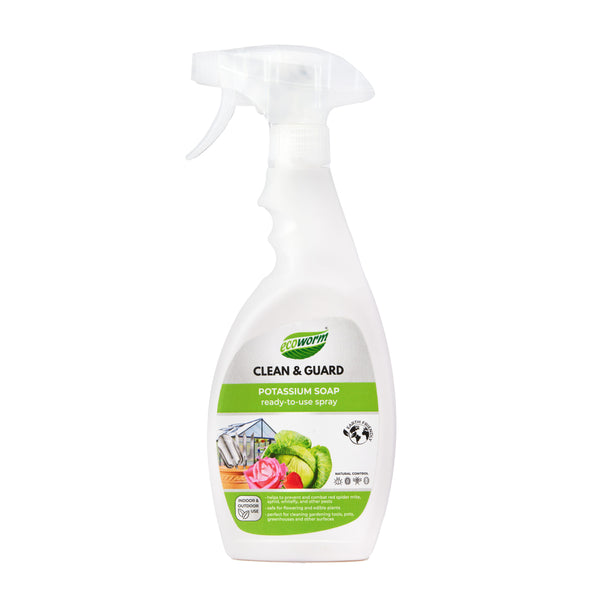
When applying pesticides, natural options like insecticidal soaps and neem oil offer safer starting points, though they still demand careful handling to protect beneficial insects.

Keep children and pets away during and after application.
Using pesticides around your raised beds responsibly means cross-referencing every product against EPA-approved food crop lists before you ever open the container.
When to Spray, When to Pick, and How to Wash Produce Safely?
Timing matters more than most gardeners realize, and getting it right protects both your harvest and your health. Always check the pesticide label before spraying—application guidelines specify exactly how long you must wait before picking edible crops. Ignore those windows, and you're risking real exposure.
Follow these three non-negotiables:
- When to spray: Avoid windy days to prevent drift from contaminating your edible crops.
- When to pick: Respect the pre-harvest interval listed on every insecticide label without exception.
- Exclusion zone: Keep systemic insecticides at least one foot from raised bed edges to block root uptake.
Once you harvest, wash harvested produce thoroughly under running water, rubbing surfaces firmly to eliminate pesticide residues, soil, and insect contaminants.
Frequently Asked Questions
Can You Eat Vegetables Sprayed With Insecticide?
You can eat vegetables sprayed with insecticide, but only if you've used food-safe, labeled products and washed produce thoroughly. Systemic insecticides absorbed into plant tissue can't be removed by washing, making them unsafe.
Is Dawn Dish Soap an Insecticidal Soap?
Yes, you can use Dawn dish soap as an insecticidal soap. It suffocates soft-bodied insects like aphids on contact. Just dilute one to two tablespoons per gallon of water to protect your plants.
What Insecticide Is Safe for Vegetable Garden?
You'll want to use pyrethrins-based insecticides—they're derived from flowers and safer around edibles. Neem oil's another solid organic option. Always follow label instructions carefully and keep applications at least one foot from your crops.
How Do Organic Farmers Keep Bugs Away?
You'll find organic farmers rely on beneficial insects, companion planting, physical barriers, natural pesticides like neem oil, and regular pest monitoring. They're also building healthy soil to strengthen plant resilience, keeping bug populations naturally in check.
