


























The Ultimate Guide to Pest Prevention in Fabric Raised Garden Beds

The Ultimate Guide to Pest Prevention in Fabric Raised Garden Beds
You've invested time and money in your fabric raised garden beds, but those pesky invaders still threaten your precious plants. Don't worry—you're about to discover how these innovative gardens can actually work in your favor against common pests. With the right protective measures and planting strategies, you'll transform your vulnerable garden into a thriving ecosystem that naturally repels unwanted visitors. Ready to see what makes fabric beds your secret weapon in pest prevention?
Key Takeaways
- Install hardware cloth underneath fabric beds to create a physical barrier against tunneling pests.
- Use garden mesh covers supported by flexible hoops to block pests while allowing sunlight and water.
- Incorporate companion plants like marigolds, basil, and garlic to naturally repel specific garden pests.
- Maintain proper airflow and drainage in fabric beds to reduce humidity and deter slugs and snails.
- Perform weekly inspections of beds and mesh covers to identify pest issues before they become infestations.
Why Fabric Raised Beds Naturally Deter Common Garden Pests
While traditional gardens often require constant vigilance against unwelcome critters, fabric raised beds offer a natural defense system that gardeners everywhere are discovering.

You'll find that fabric raised beds create an effective physical barrier, especially when combined with hardware cloth underneath, preventing garden pests like rabbits and voles from tunneling up into your precious soil.
The breathable nature of these beds provides superior drainage and airflow, naturally reducing humidity levels that typically attract slugs and snails. This environment fosters healthy soil, which in turn produces healthy plants that resist pest pressure.
Creating the Perfect Barrier: Mesh Covers for Maximum Protection
Three critical components make mesh covers the ultimate defense system for your fabric raised beds.
First, select durable garden mesh that allows sunlight, water, and air to circulate while blocking pests. This physical barrier considerably reduces your need for chemical pesticides, creating a healthier raised bed garden.
A quality mesh barrier creates a chemical-free zone where plants thrive while pests remain locked out.
Second, install flexible hoops to support your mesh covers without damaging growing plants. These create the ideal structure to maintain consistent protection while allowing plants room to thrive.
Finally, verify your mesh is securely fastened and remains in place continuously except during harvest. Regular inspection of both the mesh and plants is essential—check for pests before applying covers and monitor the barrier's effectiveness weekly.
This thorough pest defense system is remarkably effective against common invaders like aphids and beetles.
Companion Planting Strategies to Enhance Pest Control
Leveraging nature's own defense mechanisms, companion planting creates a powerful pest control strategy for your fabric raised beds without chemicals.
Plant marigolds alongside your tomatoes and peppers to repel harmful nematodes while attracting ladybugs that devour aphids and other troublesome pests.

Incorporate aromatic herbs like basil throughout your garden to deter flies and mosquitoes while enhancing your vegetables' flavor profiles.
Garlic serves as an excellent organic pest control agent, naturally repelling beetles and spider mites from your healthy plants.
Don't overlook flowering herbs such as dill and fennel, which not only beautify your garden but also attract parasitic wasps that eliminate caterpillars and other destructive insects.
Fabric vs. Traditional Beds: Comparing Pest Management Effectiveness
Beyond strategic planting combinations, the actual structure of your garden bed plays a significant role in pest management success. When you're aiming for organic pest control, fabric raised beds offer distinct advantages over their traditional wooden counterparts:
The physical design of your garden beds fundamentally impacts your pest management effectiveness, especially for organic gardening approaches.
- Superior protection - Fabric beds with hardware cloth foundations create effective barriers against ground-dwelling pests that easily infiltrate traditional beds.
- Enhanced airflow - The breathable material naturally deters slugs and snails by reducing humidity, while traditional beds often retain moisture.
- Integrated protection options - Mesh covers designed specifically for fabric beds allow sunlight, air, and water through while blocking pests.
- Optimized companion planting - The versatile space in fabric beds accommodates diverse planting arrangements, maximizing the effectiveness of companion planting strategies.
You'll likely use fewer chemical pesticides with fabric beds, despite their shorter lifespan.
Frequently Asked Questions
Can Fabric Beds Be Protected Against Burrowing Rodents?
Yes, you can protect fabric beds from burrowing rodents by installing hardware cloth underneath before filling with soil. It's an effective barrier that prevents these pesky critters from tunneling up into your garden.
How Often Should Mesh Covers Be Replaced?
You'll need to replace mesh covers every 2-3 years depending on weather exposure, but inspect them seasonally for tears or damage that could compromise your garden's protection against pests.
Will Mesh Restrict Beneficial Pollinators From Reaching Plants?
Yes, mesh will block pollinators. You'll need to hand-pollinate flowering crops or use insect-friendly mesh with larger openings that allow bees through while keeping pests out.
Are There Pest-Resistant Fabric Materials for Raised Beds?
You'll find several pest-resistant options like copper-infused fabric, UV-treated polypropylene, and BT-integrated materials. These smart textiles repel insects while maintaining breathability and durability for your plants' healthy growth.
Can Fabric Beds Be Treated With Natural Pest Repellents?
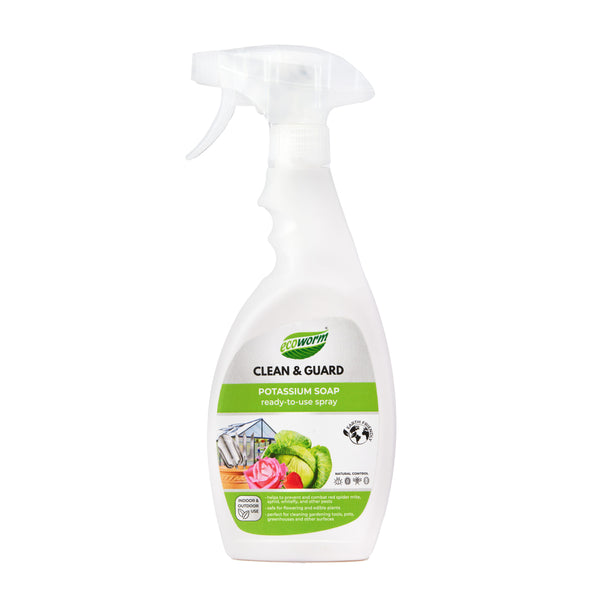
You can easily treat fabric beds with neem oil, diatomaceous earth, or cedar oil sprays. These natural repellents won't damage the material while effectively deterring pests from your garden area.
