


























Transform Your Garden With Eco-Friendly Materials for Fabric Raised Beds

Transform Your Garden With Eco-Friendly Materials for Fabric Raised Beds
Are you tired of traditional garden beds that quickly deteriorate and leach chemicals into your soil? Fabric raised beds offer a sustainable alternative that's transforming how eco-conscious gardeners grow. You'll find these lightweight, durable options not only improve plant health through superior aeration but also reduce your environmental footprint. By choosing recycled materials and proper organic soils, you're creating more than just a garden—you're nurturing an ecosystem that works with nature, not against it. What if your next planting project could actually help heal the planet?
Key Takeaways
- Recycled geotextiles create lightweight, durable raised beds while diverting materials from landfills.
- Fabric beds promote healthier plants through superior air pruning, enhancing root development naturally.
- Upcycled textiles like burlap sacks and old curtains make cost-effective, unique DIY planter alternatives.
- Organic soil blends with compost and worm castings improve plant nutrition while reducing synthetic fertilizer needs.
- Fabric raised beds provide excellent drainage and air circulation, preventing root diseases and conserving water.
Understanding Fabric Raised Beds: Materials and Construction
Innovations in gardening technology have revolutionized how we approach urban and space-limited cultivation, with fabric raised beds leading this green revolution.

These versatile containers are crafted from high-quality geotextiles—often using recycled materials—offering a lightweight yet durable option for your vegetable garden or ornamental plantings.
When you select fabric raised beds, you're embracing truly eco-friendly gardening.
They're engineered to enhance plant health through air pruning, creating densely fibrous root systems rather than the circling roots common in plastic containers.
Available in sizes from 5 to 60 gallons, they provide excellent drainage that prevents waterlogging while still retaining necessary moisture throughout the growing season.
You'll appreciate how these beds allow complete control over soil composition—enabling you to create the perfect organic gardening environment with rich, tailored growing media for maximum plant health and productivity.
Environmental Benefits of Choosing Fabric Over Traditional Options
While traditional raised beds made of wood, plastic, or metal have dominated gardens for decades, fabric options represent a quantum leap in environmental sustainability.
When you choose fabric raised garden beds, you're embracing materials often crafted from recycled geotextiles that reduce landfill waste and resource consumption.
Embrace sustainable gardening with fabric beds made from recycled materials that minimize environmental impact.
You'll notice the difference in plant health immediately. Superior air circulation prevents root diseases while exceptional drainage properties eliminate waterlogging concerns, promoting responsible water use.
The fabric naturally facilitates air pruning, creating healthier plants that require fewer fertilizers and minimize chemical runoff into surrounding ecosystems.
Unlike heavy traditional materials that generate significant carbon emissions during transport, these lightweight alternatives reduce your garden's overall environmental footprint.
Selecting Sustainable Soils and Amendments for Your Raised Beds
The foundation of any thriving fabric raised bed lies in the soil you select. When choosing sustainable soils for your garden, prioritize organic compost and nutrient-rich blends that nourish plants while respecting the environment.
You'll find that a balanced mix of topsoil, compost, and well-rotted manure creates ideal conditions for both moisture retention and soil fertility.
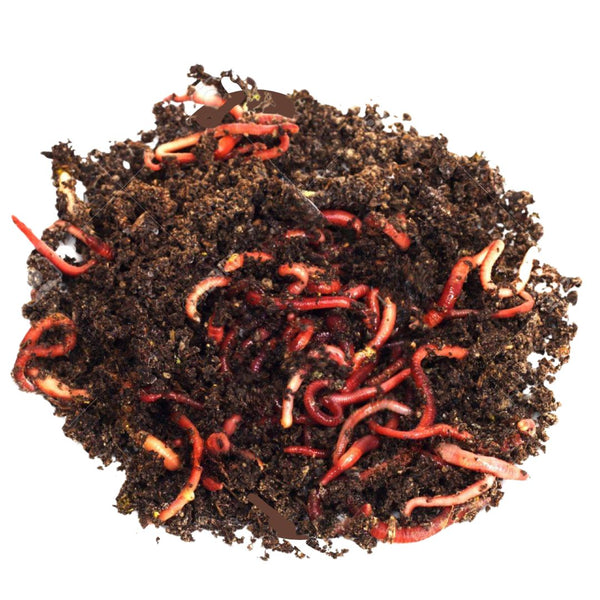
Don't underestimate the power of soil amendments like worm castings, which dramatically boost microbial activity and create a living ecosystem beneath your plants.
Regular testing of nutrient levels and pH will help you fine-tune your approach, ensuring each plant receives exactly what it needs.
Remember, avoiding synthetic fertilizers isn't just about plant health—it's about protecting our waterways and maintaining the integrity of your eco-friendly materials.
Your soil choices today determine your garden's success tomorrow.
Creative Upcycling Ideas for DIY Fabric Planters
Fabric raised beds aren't just about what goes inside them—they can be works of art themselves when crafted from materials already in your home. Transform old curtains, clothing, or tablecloths into unique fabric planters that reflect your personal style while promoting sustainability.
Consider burlap sacks for their exceptional breathability—they enhance airflow and promote root health through natural air pruning. You'll find recycled fabric remnants can be stitched together to create custom-sized planters that perfectly accommodate specific plants or fit challenging garden spaces.
Burlap breathes life into your garden, creating the perfect environment for strong roots while fitting precisely where you need it.
For lightweight planters that won't strain your back or budget, line repurposed sheets with durable material. This upcycling approach not only diverts textiles from landfills but also creates functional garden elements that combine practicality with eco-friendly materials.
Your garden deserves this thoughtful blend of creativity and environmental consciousness.
Frequently Asked Questions
What Is the Best Non Toxic Material for Raised Garden Beds?
You'll want cedar wood for your raised beds. It's naturally rot-resistant, lasts decades without chemical treatments, and won't leach toxins into your soil while you're growing healthy vegetables.
What Is the 70 30 Rule in Gardening?
The 70-30 rule suggests you'll maximize productivity by dedicating 70% of your garden to plants, while reserving 30% for paths and decorative elements. You're creating balance between utility and beauty.
Should You Put Landscape Fabric in a Raised Garden Bed?
Consider skipping landscape fabric in your raised bed. You'll encourage healthier soil biology and root growth. If drainage worries you, use hardware cloth instead for pests while letting your soil thrive naturally.
What Grows Well in Fabric Pots?
You'll find root vegetables, leafy greens, tomatoes, cucumbers, herbs, and strawberries thrive in fabric pots. They'll benefit from better aeration, temperature regulation, and the air pruning that strengthens their root systems.
