




























Transform Your Garden: Care Techniques for Galvanized Beds

Transform Your Garden: Care Techniques for Galvanized Beds
You've invested in galvanized beds to elevate your garden's aesthetic, but have you considered what it takes to maintain them? While these stylish containers offer durability and charm, they require specific care techniques to prevent premature deterioration and guarantee your plants thrive. From rust prevention to seasonal protection strategies, proper maintenance isn't just about preserving appearance—it's essential for creating a productive growing environment that will serve your garden for years to come.
Key Takeaways
- Elevate galvanized beds above ground level to prevent moisture accumulation that leads to premature rusting.
- Apply food-safe sealant to joints and connections quarterly to extend bed lifespan and prevent contamination.
- Maintain soil composition with 50% topsoil, 30% compost, and 20% organic matter for optimal plant growth.
- Implement drip irrigation and mulching to regulate soil moisture levels as galvanized beds dry out quickly.
- Conduct seasonal maintenance including spring inspections, summer moisture monitoring, and fall protective coating application.
Essential Maintenance Practices for Longevity
While beautiful gardens bring joy and produce, they require consistent care to thrive over time. Your galvanized beds need regular attention to maximize their lifespan and performance.

Inspect galvanized beds quarterly for rust and corrosion, treating spots immediately with appropriate sealants. Apply food-safe sealants to vulnerable areas, especially seams and corners where moisture collects.
Create a maintenance calendar that reminds you to check structural integrity after storms or seasonal shifts. Tighten loose bolts and connections to prevent structural failure.
Don't forget to clean exteriors annually with mild detergent to prevent debris buildup that accelerates deterioration.
Ensure proper drainage beneath your beds by maintaining loose soil—this protects against waterlogging while regulating soil temperature throughout growing seasons.
Preventing Rust and Corrosion in All Seasons
Rust and corrosion represent the greatest threats to your galvanized garden beds, requiring specific seasonal strategies beyond basic maintenance. To maximize your beds' lifespan, implement these protective measures throughout the year, adapting to changing weather conditions.
- Elevate your galvanized beds several inches above ground level—this simple step prevents moisture accumulation and dramatically reduces corrosion risk during wet seasons.
- Apply food-safe sealant to vulnerable joints and connection points, creating a protective barrier against rain and humidity.
- Wash surfaces monthly with mild detergent to remove corrosive debris and salt deposits that accelerate deterioration.
- Conduct quarterly inspections focusing on structural integrity, addressing early signs of rust immediately before they compromise your garden bed system.
Soil Management for Optimal Plant Health
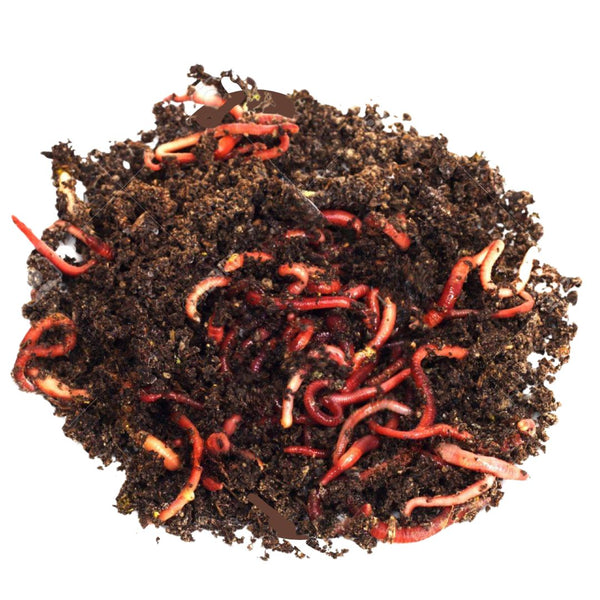
Creating the perfect soil ecosystem in your galvanized garden beds fundamentally determines whether your plants merely survive or truly thrive. Aim for the ideal composition: 50% high-quality topsoil, 30% compost, and 20% organic matter like shredded leaves or worm castings to maximize nutrient richness.
You'll need to monitor moisture levels more vigilantly with galvanized beds, as they conduct heat and can dry out quickly. Implement drip irrigation and mulching to maintain consistent soil temperature and moisture.
Consider advanced techniques like hugelkultur or lasagna gardening to enhance soil quality and promote diverse microbial life. These layering methods improve aeration and create resilient growing conditions.
Regular soil management through organic amendments sustains fertility without chemical dependence, ensuring your plants develop strong root systems while keeping a safe distance from potentially hot metal surfaces.

Seasonal Care Strategies for Year-Round Protection
Proper soil management forms the foundation of your garden's success, but maintaining your galvanized beds throughout changing seasons determines their longevity.
While soil nurtures plants, seasonal care of your galvanized beds ensures they'll support your garden for years to come.
Your raised beds face different challenges with each seasonal shift, requiring a proactive approach to preservation.
- Spring Preparation: Conduct thorough inspections of corners and seams, cleaning with mild detergent to remove winter debris that can accelerate rust formation.
- Summer Vigilance: Monitor soil moisture levels closely, as galvanized metal conducts heat rapidly, potentially drying soil faster than expected.
- Fall Protection: Apply a protective coating before harsh weather arrives to shield metal surfaces from corrosive elements.
- Winter Precautions: Verify proper elevation of beds to prevent pooling water contact, which greatly accelerates corrosion during freeze-thaw cycles.
Incorporate these strategies into your maintenance calendar to extend your galvanized beds' life notably.
Frequently Asked Questions
How Long Will Galvanized Raised Garden Beds Last?
You'll enjoy up to 20 years from your galvanized raised beds, unlike wooden ones that last only 5 years. With proper maintenance, they'll withstand extreme temperatures without warping or cracking.
Does Galvanized Steel Make a Good Raised Garden Bed?
Yes, galvanized steel makes an excellent raised bed choice. You'll appreciate its exceptional durability, rust resistance, and food-safe properties. It promotes healthier root growth while withstanding extreme weather without warping or rotting.
How Long Will Galvanized Steel Last in Soil?
Galvanized steel beds will last you up to 20 years in soil, far outlasting wooden options. You'll get maximum longevity if you're maintaining proper soil pH and inspecting occasionally for rust development.
What Are the Disadvantages of Metal Raised Garden Beds?
Metal raised beds can overheat your soil, cost more upfront, eventually rust, require insulation to protect roots, and their industrial appearance might clash with your garden's aesthetic vision.
