




























Top Tips for Successful Fabric Raised Bed Gardening

Top Tips for Successful Fabric Raised Bed Gardening
Have you struggled to maximize your fabric raised bed garden's potential? You're not alone. While these versatile containers offer excellent drainage and prevent root circling, they require specific maintenance approaches to truly thrive. From proper moisture management to strategic seasonal care, small adjustments to your gardening routine can dramatically improve your harvests. The secret lies in understanding how fabric beds differ from traditional options—and knowing exactly what your plants need in this unique growing environment.
Key Takeaways
- Conduct monthly integrity checks on fabric bed seams and corners to prevent soil loss and maintain structural integrity.
- Install drip irrigation systems for efficient water delivery directly to plant roots in fabric beds.
- Apply balanced organic fertilizer at planting time and refresh mid-season for optimal plant growth.
- Utilize companion planting with pest-repelling herbs like basil and marigolds to naturally deter garden pests.
- Apply organic mulch around plants to retain soil moisture, regulate temperature, and suppress weed growth.
Essential Maintenance Techniques for Fabric Beds
Every successful fabric raised bed garden requires consistent care to thrive. Monthly integrity checks on seams and corners prevent soil loss and structural damage, extending the life of your fabric beds.

Be vigilant about bi-monthly surface cleanings to combat algae and mold that compromise plant health.
Regular surface cleaning prevents harmful organisms from establishing colonies that threaten your garden's productivity.
Don't overlook your drainage holes—keep them clear to maintain superior soil moisture levels and prevent waterlogging. When necessary, apply organic treatments to the fabric itself, enhancing durability without introducing harmful chemicals to your garden ecosystem.
As soil settles naturally, you'll need to top off your raised beds periodically with fresh soil amendments and organic matter. This simple maintenance technique guarantees proper growing depth and replenishes nutrients, creating favorable conditions for robust plant development throughout the growing season.
Optimal Watering and Soil Management Strategies
While fabric raised beds offer excellent drainage, proper watering and soil management remain critical to your garden's success.
Check soil moisture regularly by inserting your finger an inch below the surface, adjusting your watering schedule based on weather conditions.
Install drip irrigation to deliver water directly to plant roots, minimizing waste and maximizing efficiency.
Apply organic mulch around your plants to retain moisture in the soil, regulate temperature, and suppress weeds.
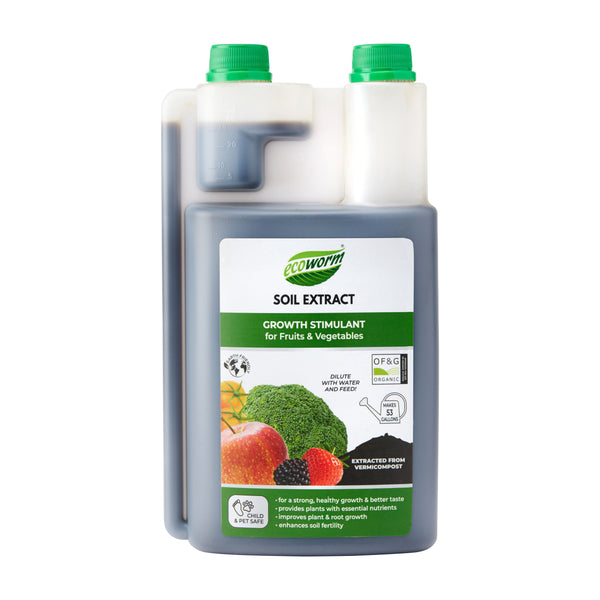
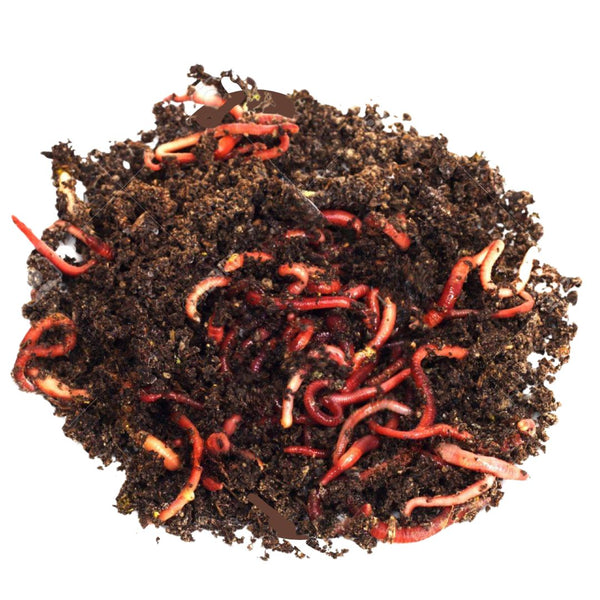
For ideal soil fertility and plant growth, incorporate well-rotted manure every 4-6 weeks alongside balanced organic fertilizers or worm castings. This enriches your raised garden beds while improving moisture retention.
Don't forget to verify that your fabric beds have clear drainage holes to prevent waterlogging—excessive moisture can damage roots just as much as drought stress.

Seasonal Fertilization and Nutrient Planning
Successful fabric raised bed gardening depends on a well-planned seasonal fertilization schedule that adapts to your plants' changing needs throughout the year.
Start by testing your soil pH regularly to optimize nutrient applications for your specific growing environment.
Apply a balanced organic fertilizer (5-10-10) at planting time, then refresh mid-season to boost plant health.
Every 4-6 weeks, work well-rotted manure into your beds to enhance soil fertility and moisture retention.
Don't underestimate the power of crop rotation—including nitrogen-fixing plants like clover naturally replenishes your soil's nutrient profile between growing seasons.
Top your beds with organic mulch such as straw or shredded leaves for a dual benefit: conserving moisture while gradually releasing nutrients as materials break down, creating a self-sustaining nutrient planning cycle that rewards your efforts with abundant harvests.
Effective Pest Prevention for Fabric Gardens
Protecting your fabric raised beds from unwanted pests doesn't require harsh chemicals or complex solutions. Embrace companion planting by strategically placing pest-repelling herbs like basil and marigolds throughout your vegetables to naturally deter invaders.
Natural pest management is simple—pair your vegetables with protective companions like basil and marigolds to keep unwanted visitors away.
Install physical barriers such as lightweight netting over vulnerable crops while maintaining proper air circulation.
Create a thriving garden ecosystem by cultivating diverse flowers that attract beneficial insects—ladybugs and lacewings will naturally control pest populations.
Maintain a clean garden by promptly removing plant debris and organic material that could harbor unwelcome visitors. Regular inspection allows for early intervention when problems arise.
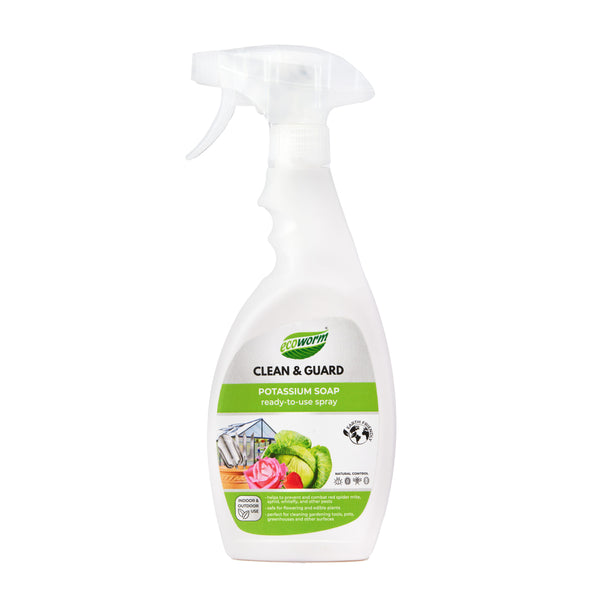
When pests do appear, opt for organic pest control methods like neem oil or insecticidal soaps. Apply these treatments responsibly to protect both your plants and the beneficial organisms that support your garden's health.
A well-balanced approach guarantees your fabric beds remain productive and resilient.
Frequently Asked Questions
What Is the 70 30 Rule in Gardening?
You'll boost garden productivity by dedicating 70% to food crops and 30% to beneficial ornamentals. This balance creates biodiversity, attracting pollinators while maximizing your yields and improving overall garden health.
Should I Put Landscape Fabric at the Bottom of My Raised Garden Bed?
Yes, you'll benefit from landscape fabric at your bed's bottom. It prevents soil loss while allowing drainage, suppresses weeds, and helps manage soil temperature—just limit overlaps to 2-3 inches for proper function.
What Not to Put in a Raised Garden Bed?
Don't put treated lumber, native yard soil, large rocks, non-biodegradable materials, or invasive species in your raised bed. These can harm plants, introduce pests, limit drainage, contaminate soil, and reduce yields.
What Is the Rule of 3 in Gardening?
The Rule of 3 in gardening means planting crops in groups of three to boost pollination, create beneficial companion relationships, and maximize your harvest while maintaining a balanced ecosystem in your garden beds.
