





























Is Moving Fabric Raised Beds After Installation a Simple Task? Find Out Here

You've carefully selected and installed your fabric raised beds, nurturing them with the perfect soil mix and watching your plants thrive. But what happens when you need to move them? Perhaps you've discovered a sunnier spot in your yard or you're relocating to a new home. Moving fabric raised beds isn't quite as straightforward as picking up and carrying a potted plant. There's soil, established root systems, and the integrity of the bed itself to take into account—but is it truly a complex undertaking?
Key Takeaways
- Moving fabric raised beds is moderately difficult but manageable with proper tools like plywood and furniture movers.
- Weight management is the biggest challenge, requiring temporary soil removal or team-lifting strategies.
- Protecting plant roots during relocation requires thorough watering and careful securing beforehand.
- Fabric beds can maintain structural integrity during moves when properly supported underneath.
- Successful relocation depends on thorough preparation of the new site with weed barriers and adequate spacing.
The Step-by-Step Process for Relocating Fabric Raised Beds
Five critical steps stand between you and successfully relocating your fabric raised bed without disaster.

First, secure your plants within the bed to prevent damage during the move—they're the heart of your garden!
Next, use a tarp to contain soil and prevent messy spills while transferring your precious growing medium.
For heavier raised garden beds, slide plywood underneath and protect the fabric with pool noodles to prevent tears.
If necessary, carefully disassemble the bed by removing boards and unscrewing caps for easier transport.
Finally, prepare your new location thoughtfully—ensure you'll have adequate mower access and combat future weed invasions by either digging up grass or laying landscape fabric beneath.
With these steps, you'll preserve your garden's integrity while giving it a fresh new home.
Essential Tools & Materials for a Successful Move
Every successful fabric raised bed relocation hinges on having the right tools at your disposal. Plywood serves as your best ally, creating a smooth sliding surface that protects your raised beds during transport.
Don't overlook the value of a furniture mover with wheels—this simple device transforms the challenging task of transporting heavy beds into a manageable project.
For added protection, secure pool noodles to the plywood edges, preventing fabric tears that could compromise your bed's structure.

Before moving day arrives, prepare a watering can or hose to thoroughly hydrate your plants, reducing transplant shock.
Finally, keep a measuring tape and garden layout plan handy to guarantee your beds fit perfectly in their new location. These essential tools make the difference between a stressful move and a smooth shift for your garden.
Common Challenges When Moving Raised Beds & How to Overcome Them
With the right tools in hand, you're now ready to face the inevitable hurdles that come with relocating your garden's prized possessions.
The primary challenge you'll encounter is the sheer weight of soil-filled fabric beds. Combat this by using a tarp to temporarily hold soil while you reposition the bed.
Root disturbance can devastate plants during moves. Water thoroughly beforehand to keep root balls intact and secure plants with stakes to prevent jostling.
You'll also need to navigate the structural integrity issue—fabric beds can tear when dragged. Instead, slide them onto plywood or use wheeled furniture movers.
Finally, don't underestimate the importance of optimizing sun exposure in your new location. Organic gardening success depends on proper planning, so map out your garden's new configuration before lifting a single shovel.
Best Practices for Setting Up in the New Location
Once you've successfully transported your fabric raised beds to their new home, proper setup becomes the essential next step that determines your garden's future success.
Unlike traditional raised beds, these flexible containers require thoughtful positioning.
Clear the destination area thoroughly, removing all weeds and debris. One thing many gardeners overlook is laying cardboard or landscape fabric beneath the beds to prevent unwanted growth.
Verify you've allowed sufficient spacing around each bed for easy maintenance access, particularly if you'll need room for a lawn mower.
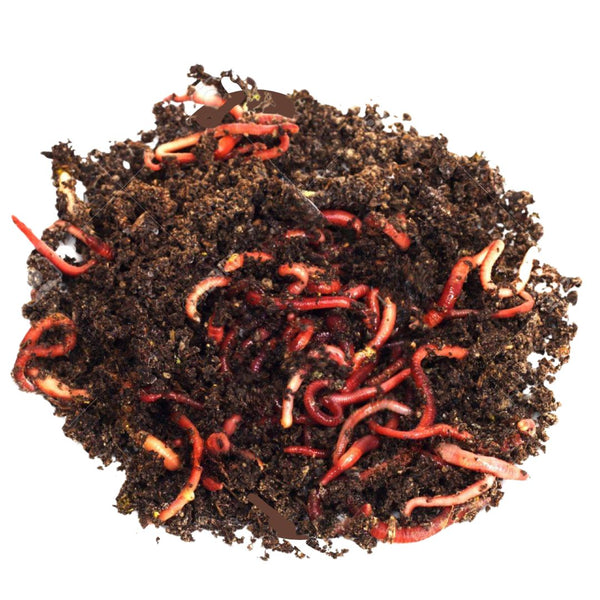
After placement, consider enriching your soil with Worm Castings to rejuvenate beneficial microbes that may have been disturbed during transit.
Finally, surround your newly positioned beds with mulch or decorative rock to create a polished appearance while simultaneously preserving moisture and deterring weeds.
Frequently Asked Questions
How Hard Is It to Move Raised Garden Beds?
Moving fabric raised beds isn't too difficult if you're prepared. You'll need plywood underneath, furniture movers with wheels, and well-watered plants to reduce stress during the changeover.
What Is the 70 30 Rule in Gardening?
The 70-30 rule means 70% of your gardening success comes from environmental factors (sunlight, soil, water) while 30% relates to your skills. You'll thrive when you prioritize creating the right growing conditions.
What Vegetables Should Not Be Grown in a Raised Bed?
You shouldn't grow potatoes, parsnips, leafy greens, brassicas, asparagus, cucumbers, or melons in raised beds. Their deep roots, moisture needs, pest vulnerability, or sprawling nature make them challenging choices.
What Is the Rule of 3 in Gardening?
The Rule of 3 means you'll plant in groups of three for visual harmony. You're creating rhythm and balance while attracting pollinators and preventing overcrowding. It's your secret to a more cohesive, thriving garden design.
