


























From Gravel to Compost: Every Drainage Solution for Raised Bed Soil That Genuinely Works

From Gravel to Compost: Every Drainage Solution for Raised Bed Soil That Genuinely Works
You've probably dumped gravel at the bottom of a raised bed thinking you were doing your plants a favor. You weren't. Poor drainage silently suffocates roots, and most popular fixes make things worse. But there's a smarter way to build soil that actually moves water the way plants need. What you're about to learn might contradict everything you've tried before.
Key Takeaways
- Avoid using gravel in raised beds, as it creates a perched water table that actually worsens drainage rather than improving it.
- Blend topsoil with 25–50% compost by volume to create a balanced, well-draining soil mixture that supports healthy root growth.
- Incorporate perlite or vermiculite into your soil mix to improve aeration and prevent waterlogging around plant roots.
- Layer organic materials strategically, starting with bulky matter at the bottom and combining topsoil, compost, and coir at the top.
- For waterlogged beds, fork the top 6 inches and add coarse sand, perlite, or compost to restore proper drainage.
Why Raised Bed Drainage Fails Your Plants
When your raised bed's drainage fails, it's usually one of two culprits: compacted soil or a poorly balanced soil mix. Both strangle root growth and trap water where it doesn't belong.

Here's what's actually happening: poor drainage disrupts water movement through your raised bed soil, creating anaerobic pockets that suffocate roots. Too much clay in your soil composition makes water pool rather than permeate. The result? Drainage problems that quietly devastate otherwise healthy plants.
The fix isn't complicated, but it requires intentionality. Your soil needs proper aeration, balanced structure, and the right organic materials working together.
Incorporating quality compost into your mix transforms how water interacts with your soil, giving roots the breathing room they need to thrive.
Which Drainage Materials Actually Belong in a Raised Bed
What you put in your raised bed matters more than most gardeners realize. The right drainage materials transform struggling plants into thriving ones—and the wrong choices quietly suffocate plant roots.
Skip the gravel. Despite popular belief, a gravel layer creates a perched water table, trapping moisture in your raised bed soil mix instead of releasing it.
Instead, build smarter. Blend topsoil with compost, targeting 25–50% organic matter by volume.
Add perlite or vermiculite to boost soil aeration and improve drainage simultaneously. Layer crushed leaves or pine needles to introduce natural bulking agents that feed your soil ecosystem over time.
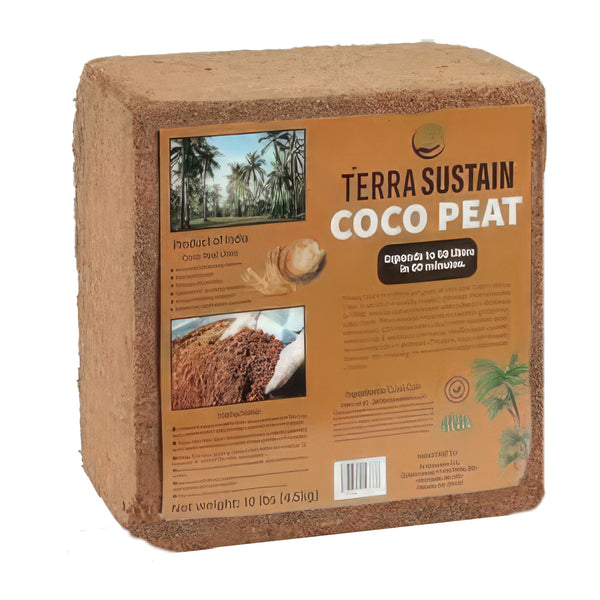
Coconut coir deserves a spot too—it's a dual-purpose powerhouse, enhancing moisture retention while keeping drainage efficient.
That's the balance raised bed gardening actually demands.

How to Layer Raised Bed Soil for Real Drainage
Layering your raised bed correctly takes three distinct zones working together—and each one earns its place.
Start building raised beds from the bottom up using bulky organic materials—fallen branches, straw, or woody debris—to loosen the soil structure and create aeration without compaction.
Your middle zone bridges the gap: partially decomposed compost pile material and garden debris improve drainage while feeding the layers above as they break down.
For the top, blend topsoil in bulk with compost and coco coir in equal parts—this trio handles both drainage and moisture retention beautifully.
Here's the non-negotiable: maintain at least 12 inches of soil depth above those organic soil layers. Shallow soil depths choke roots and destroy drainage.
These intentional soil layers transform raised beds from guesswork into genuine growing systems.
Fix a Waterlogged Raised Bed Without Rebuilding It
A waterlogged raised bed doesn't mean starting over—you've got real fixes that work without dismantling everything you've built.
Start by forking the top 6 inches to create improved water movement through compacted soil, then work in coarse sand or perlite for immediate soil aeration. Blend in compost as your organic matter boost—it restructures soil and activates microbes that break down dense layers over time.
Consider planting cover crops with deep root systems; they'll fracture compaction naturally while you focus elsewhere. Watch your moisture levels closely and adjust watering before problems compound.
These targeted interventions restore drainage without a single board removed. Your raised bed isn't broken—it just needs the right corrections applied with intention and consistency.
Frequently Asked Questions
What Is the Best Compost Mix for Raised Beds?
You'll want one-third topsoil, one-third compost, and one-third coco coir. Aim for 25%-50% organic matter, ensuring it's dark, crumbly, and earthy-smelling—that's your signal of thriving microbial life driving real plant health.
What Is the Best Drainage for a Raised Garden Bed?
You'll achieve the best drainage by blending quality topsoil, compost, and organic matter, keeping 25%-50% organic material by volume. Add perlite or coco coir, and layer bulky organics at the bottom to prevent compaction.
How Do I Make My Own Soil Mix for Raised Beds?
Mix 1/3 topsoil, 1/3 compost, and 1/3 organic material like coconut coir. You'll want 5%-15% organic matter by weight. Blend everything thoroughly, then run the Squeeze Test to confirm your mix holds shape yet crumbles easily.
What Is the Best Thing to Put in the Bottom of a Raised Garden Bed?
You'll want to layer fallen branches, leaves, and straw at the bottom. Top it with cardboard to smother weeds, then add half-finished compost to fuel microbial activity and boost long-term soil fertility.
