




























Essential Tips for Creating Fabric Raised Beds

Essential Tips for Creating Fabric Raised Beds
You're about to transform your garden with fabric raised beds, but rushing into this project can lead to disappointing results. Have you considered what fabric weight will withstand seasons of soil pressure and weather exposure? Or how proper installation techniques can double your beds' lifespan? Many gardeners discover these essential details only after their beds begin to fail. The difference between thriving beds and frustrating replacements often comes down to a few key decisions you'll need to make before you begin.
Key Takeaways
- Choose UV-resistant fabric with at least 300 GSM weight to ensure durability in outdoor environments.
- Reinforce corners and stress points with additional fabric layers during installation for extended lifespan.
- Create a level, debris-free foundation before setting up fabric beds to distribute weight evenly.
- Apply 2-3 inches of organic mulch to protect fabric from UV damage and suppress weed growth.
- Conduct seasonal inspections each spring to identify and repair small tears before they become significant issues.
Selecting Quality Fabric Materials for Durability
When creating fabric raised garden beds for your garden, selecting the right materials serves as your foundation for long-term success.

Look specifically for UV-resistant fabric designed for outdoor environments, with a weight of at least 300 GSM to withstand seasonal changes and prevent premature deterioration.
Your ideal fabric should balance breathability with moisture retention—this essential combination maintains ideal soil moisture levels while preventing mold development.
For enhanced durability, reinforce corners and stress points with additional layers, effectively extending your beds' lifespan beyond the standard 3-5 years.
Don't overlook the importance of eco-friendly materials that won't contaminate your organic matter.
Non-toxic fabrics support sustainable gardening practices while providing excellent weed control.
These thoughtful material choices guarantee your raised beds remain structurally sound while creating a healthy environment for your plants.
Proper Installation Techniques for Maximum Longevity
Proper installation of your fabric raised bed directly impacts its lifespan, transforming a simple garden project into a durable growing environment that withstands years of use. For maximum longevity, start with a level, debris-free foundation to prevent uneven stress on your fabric raised bed garden.
- Reinforce corners and edges with additional fabric layers during proper installation to fortify high-stress areas.
- Apply 2-3 inches of organic mulch immediately after setup and refresh every six months to shield fabric from UV damage.
- Schedule seasonal inspections each spring to catch and repair minor tears before they compromise structural integrity.
- Maintain consistent soil moisture to prevent mold formation which threatens both plant health and fabric durability.
Seasonal Maintenance Strategies to Protect Your Investment
Investing in fabric raised beds means committing to a seasonal maintenance schedule that'll protect your garden investment for years to come. Conduct seasonal inspections each spring, looking for small tears that you can quickly repair with outdoor fabric patches before they compromise structural integrity.
Regular maintenance isn't optional—it's the insurance policy that protects your fabric raised beds season after season.
Apply 2-3 inches of organic mulch twice yearly—this prevents weeds from growing, retains moisture, and shields fabric from damaging UV rays.

You'll need to monitor soil moisture regularly to prevent root rot and mold that can deteriorate fabric components. Don't overlook high-stress areas; reinforcing corners and edges with extra fabric layers prevents premature failures.
Finally, clean your fabric raised beds with mild soap and a soft brush to remove debris that harbors mold. These straightforward practices guarantee peak performance and dramatically extend the life of your garden investment.
Soil Management Practices for Fabric Bed Health
Successful fabric raised beds depend on strategic soil management practices that extend beyond simple filling and planting.
Your garden's long-term health requires thoughtful soil stewardship that nurtures both plants and the fabric container housing them.
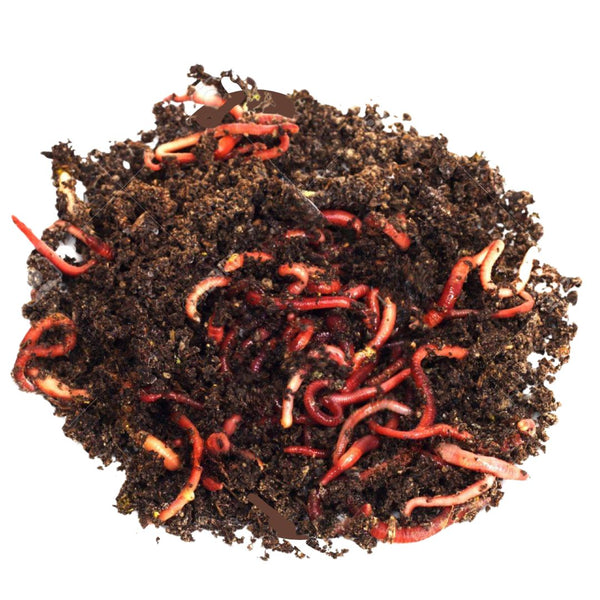
- Incorporate living amendments like worm compost to boost soil health and deliver essential nutrients directly to your plants' root zones.
- Maintain consistent water levels to prevent damaging mold that weakens fabric and harms roots.
- Apply organic mulch around plants to suppress weeds while protecting fabric edges from UV damage.
- Implement crop rotation to disrupt pest cycles and balance soil nutrients naturally.
Frequently Asked Questions
Can Fabric Raised Beds Be Installed on Concrete or Paved Surfaces?
Yes, you can place fabric beds on concrete or pavement. You'll need to guarantee proper drainage and sufficient soil depth for your plants' root systems to thrive.
How Do Fabric Raised Beds Perform in Extreme Weather Conditions?
You'll find fabric beds handle extremes surprisingly well. They'll drain excess water during storms, prevent overheating in summer heat, and provide better insulation against frost than traditional beds. Just secure them properly against wind.
Are Fabric Raised Beds Safe for Growing Edible Plants?
Yes, fabric raised beds are perfectly safe for edibles. You'll enjoy toxin-free harvests since quality beds use food-grade materials. They actually promote healthier root systems and better drainage for your produce.
Can Pets or Wildlife Damage Fabric Raised Beds?
Yes, pets and wildlife can damage fabric beds. Dogs might dig them up, cats may use them as litter boxes, and rodents could chew through the material. Consider protective barriers if you're concerned.
What Is the Average Lifespan of a Fabric Raised Bed?
You'll typically get 3-5 years from quality fabric raised beds. With proper care, they can last up to 7 years. Sunlight exposure and climate conditions will impact their longevity.
