


























Eco-Friendly Gardening Supplies for Sustainable Growth

Eco-Friendly Gardening Supplies for Sustainable Growth
You've probably noticed the growing shift toward sustainability in almost every aspect of life, and your garden shouldn't be an exception. When you invest in eco-friendly gardening supplies, you're not just nurturing plants—you're protecting our planet's future. From composting tools that transform kitchen scraps into black gold to water systems that make every drop count, these sustainable choices create a ripple effect of environmental benefits. What might surprise you is how these earth-conscious alternatives can actually save you money while yielding healthier harvests.
Key Takeaways
- Compost bins and worm composters transform kitchen waste into nutrient-rich soil, reducing chemical fertilizer needs by up to 75%.
- Rain barrels and drip irrigation systems conserve water resources, cutting garden water usage by 30-50%.
- Tools made from tempered boron steel and sustainable hardwoods offer lifetime durability with minimal environmental impact.
- Household items like coffee grounds, egg-banana mixtures, and vinegar provide effective organic alternatives to commercial garden products.
- Investing in sustainable gardening supplies improves soil health, reduces water consumption, and promotes zero-waste cultivation practices.
Essential Composting Tools for Nutrient-Rich Soil
While many gardeners focus solely on plants and seeds, the foundation of a truly thriving garden lies in your soil's health—and that's where composting tools become absolute game-changers.

You'll transform kitchen scraps and yard waste into black gold with the right compost bin or tumbler!
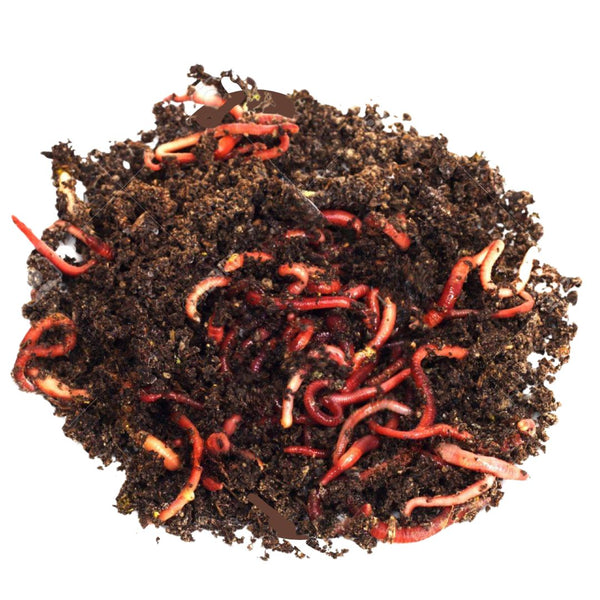
Investing in quality garden tools like worm bins ($50-$200) or traditional compost bins ($30-$300) pays dividends in reduced chemical fertilizer needs—by up to 75%!
The secret? Maintaining a three-part ratio of "brown" materials (leaves) to "green" materials (vegetable scraps).
Turning your compost regularly with a tumbler accelerates decomposition, perfect if you're short on space but crave quick results.
Your reward? Nutrient-rich organic fertilizer that improves soil structure and increases water retention by 70%, creating the perfect foundation for spectacular plant growth.
Sustainable Watering Systems That Conserve Resources
Now that your soil's nutrient foundation is established, let's turn to another essential garden resource—water!
Implementing sustainable watering systems isn't just environmentally responsible—it's transformative for your garden's health. Rain barrels ($50-$200) capture free rainwater, reducing your dependence on municipal sources while delivering what plants crave naturally.
Harvest the skies! Sustainable watering systems give your garden nature's finest while trimming your ecological footprint.
For targeted hydration, consider soaker hoses or drip irrigation starting at just $20. These systems deliver moisture directly to plant roots, cutting water usage by 30-50% compared to traditional methods.
- Feel the satisfaction of watching your garden thrive while your water bill shrinks!
- Experience the joy of self-sufficiency when your plants flourish during water restrictions!
- Imagine the pride in knowing your eco-friendly choices support both water retention and vibrant plant growth!
Eco-Conscious Garden Tools With Lifetime Value
Beyond sustainable soil and water practices, your gardening toolkit deserves the same eco-conscious attention. Investing in eco-conscious garden tools made from tempered boron steel and sustainable Ash hardwood isn't just environmentally friendly—it's financially savvy.

These premium implements, like those from the Floral Society, offer lifetime value through their exceptional durability and performance. You'll appreciate how their thoughtful design makes your gardening more efficient while aligning with your values.
The lifetime guarantees that accompany many of these tools reflect manufacturers' confidence in their lasting quality.
When you choose sustainable garden tools, you're making a commitment to responsible cultivation. Your investment supports both garden productivity and environmental stewardship, creating a virtuous cycle where quality tools enable more regenerative practices—exactly what your garden (and our planet) needs.
Household Items Transformed Into Organic Garden Solutions
The magic of eco-friendly gardening often lies within your own home. You're likely discarding potential garden gold daily! Coffee grounds boost nitrogen levels while deterring pests, regardless of the size of your garden.
Transform trash into treasure—your kitchen waste holds the secret nutrients your garden craves!
Egg-banana mixtures deliver protein and potassium while naturally repelling slugs. Even vinegar transforms into a powerful weed killer and cleaner for your rusty tools.
- Feel the satisfaction of creating zero-waste solutions from items you'd otherwise throw away
- Experience the joy of watching plants thrive on your kitchen "waste" rather than store-bought chemicals
- Delight in the connection between your daily life and your garden's ecosystem
Try diluted hydrogen peroxide to aerate your soil or milk-molasses mixtures to fight fungal diseases—simple household items becoming powerful allies in your sustainable gardening journey.
Frequently Asked Questions
How Do I Deter Garden Pests Without Using Chemical Pesticides?
You'll deter pests naturally by introducing beneficial insects, planting companion species, using neem oil, creating physical barriers, and rotating crops. Aren't you excited to watch your garden thrive without harsh chemicals?
Which Native Plants Require the Least Maintenance in Home Gardens?
Native sedges, coneflowers, black-eyed Susans, and yarrow thrive with minimal care. You'll love how they establish deep roots, resist local pests, and don't need coddling—isn't that invigorating for your garden?
Can Coffee Grounds Affect Soil Ph for Acid-Loving Plants?
Yes, coffee grounds can lower soil pH, making them perfect for your acid-loving plants like azaleas and blueberries. They'll gradually acidify the soil while adding organic matter. Don't overdo it though!
How Often Should I Replace Biodegradable Plant Pots?
You'll need to replace biodegradable pots once they show signs of breaking down, typically 2-6 months after planting. Faster degradation occurs in wetter conditions—isn't it fascinating how nature reclaims them?
What Natural Methods Prevent Fungal Diseases in Humid Climates?
You'll find neem oil, compost tea, and proper spacing work wonders! Aren't cinnamon and baking soda solutions fascinating alternatives? Try improving airflow and using companion planting—nature's clever defense against those persistent fungal invaders!
