

























Comparing Soil Types for Garden Raised Beds

Comparing Soil Types for Garden Raised Beds
You've probably experienced the frustration of plants struggling in your raised beds despite your best efforts. The soil mix you choose makes all the difference between lackluster results and a thriving garden that produces abundantly. While Mel's Mix offers superior drainage, the Perfect Raised Bed Recipe might give you better long-term nutrient retention. Your decision impacts everything from watering frequency to harvest size—and the right choice isn't always obvious.
Key Takeaways
- Mel's Mix provides exceptional drainage with equal parts peat moss, vermiculite, and compost, preventing waterlogging.
- The Perfect Raised Bed Soil Recipe (50% topsoil, 30% compost) maximizes nutrient availability for robust plant growth.
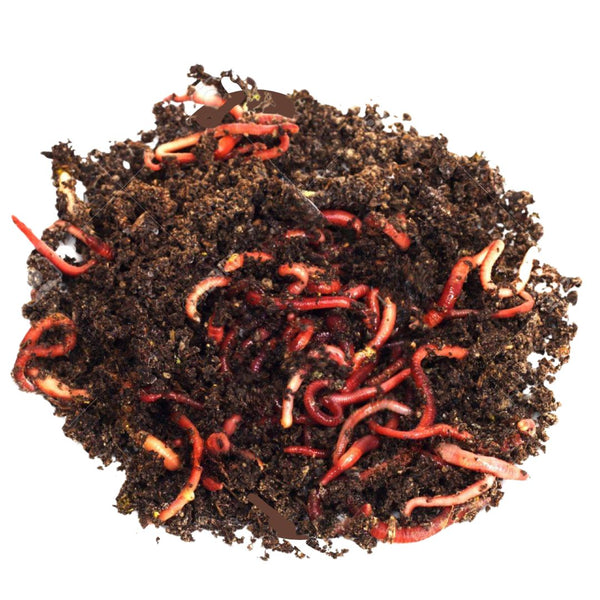
- Bagged soils often contain organic matter like worm castings but typically lack essential micronutrients.
- Ideal soil pH for raised beds ranges between 6.0-7.0, promoting optimal nutrient availability for plants.
- Cost-effective filling strategies include lasagna layering with branches, leaves, and compost rather than expensive potting soil.
Key Characteristics of Popular Raised Bed Soil Mixes
When selecting soil for your raised garden beds, understanding the characteristics of popular mixes can make the difference between thriving plants and disappointing results.

Mel's Mix offers exceptional drainage with its equal parts peat moss, vermiculite, and compost, preventing drainage problems that plague many new raised beds.
In contrast, the Perfect Raised Bed Soil Recipe utilizes 50% topsoil and 30% compost to maximize nutrient availability and support robust plant growth.
You'll find most quality Raised Bed Mix formulations maintain a balance of 40% topsoil, 40% compost, and 20% drainage material.
While bagged soils often incorporate organic matter like worm castings, they typically lack micronutrients despite adequate macronutrient levels.
Before planting, conduct a soil test to identify deficiencies in your mix.
Performance Comparison: Mel's Mix vs. Perfect Recipe vs. Bagged Soil
After examining the composition of various soil mixes, let's examine how they actually perform in real garden conditions. When comparing Mel's Mix, Perfect Raised Bed Soil, and commercial bagged soil, their nutrient profiles considerably impact plant success.
- Mel's Mix excels in drainage and aeration, preventing waterlogging even during heavy rainfall, which protects plant roots from rot.
- Perfect Raised Bed Soil provides balanced nutrients with its 50-30-20 blend, supporting diverse vegetable growth, especially nutrient-hungry tomato plants.
- Bagged soil options vary widely, with Coast of Maine showing lower nitrogen levels requiring supplementation.
- Recipe 420 demonstrated concerning magnesium and calcium deficiencies that noticeably hindered plant development.
You'll need to reflect on these performance differences when selecting garden soil for your raised beds, as the right soil mix directly correlates with harvest quality.
Nutrient Analysis and Ph Considerations for Optimal Growth
Understanding soil nutrient levels and pH balance is essential for achieving spectacular results in your raised garden beds. For peak plant health, maintain your soil pH between 6.0-7.0, as this sweet spot reveals nutrient availability and supports thriving roots.
Testing revealed that many bagged soils lack sufficient micronutrients, which explains why some garden plants display deficiencies despite regular watering. Recipe 420, for example, showed concerning magnesium and calcium shortfalls leading to chlorosis. While sodium levels weren't alarming, they're worth monitoring.

You'll need to actively manage these deficiencies through strategic amendments. Consider incorporating dolomitic lime for calcium and magnesium, or quality compost to boost overall soil health.
Regular top dressing with nitrogen-rich amendments will maintain fertility in your raised beds throughout the growing season, transforming struggling plants into vibrant garden showcases.
Cost-Effective Strategies for Filling and Maintaining Raised Beds
Creating a gorgeous raised bed garden shouldn't empty your wallet, especially when smart filling strategies can save you hundreds of dollars.
Start by using a soil calculator to determine exact volumes needed, then implement the "lasagna layering" technique with materials you likely have on hand.
Calculate exactly what you need, then layer like lasagna with materials already in your yard—smart gardening starts with what you have.
- Fill the bottom third with branches, leaves, and native soil to create a foundation that will decompose and feed your garden over time.
- Add middle layers of organic matter like mushroom compost or straw rather than expensive potting soil.
- Top with quality growing medium enriched with worm castings based on your soil test results.
- Keep it simple with annual maintenance—just top-dress with 1-2 inches of compost each season.
This approach builds nutrient-rich soil that improves yearly while dramatically reducing initial costs.
Frequently Asked Questions
How Often Should I Completely Replace Soil in Raised Beds?
You don't need to completely replace raised bed soil. Instead, refresh it annually with compost and organic matter. A full replacement is only necessary if disease strikes your garden.
Can I Use Native Soil Mixed With Store-Bought Soil?
Yes, you can definitely mix native soil with store-bought soil! This creates an economical blend that introduces local microorganisms while the commercial mix adds structure and nutrients your plants will love.
How Do Different Soil Types Affect Watering Frequency?
Sandy soils drain quickly, requiring frequent watering. Clay retains moisture longer but needs deeper, less frequent soaks. Loamy mixtures strike the perfect balance, while compost-rich blends hold water efficiently for your plants.
Do Soil Needs Differ for Spring Versus Fall Planting?
Yes, your soil needs differ seasonally. Spring planting requires well-draining soil that warms quickly, while fall gardens benefit from soils with better moisture retention to combat cooling temperatures.
Can I Reuse Potting Soil From Container Plants?
Yes, you can reuse potting soil, but you'll need to refresh it first. Remove old roots, add compost, and mix in new nutrients to revitalize the tired medium before planting again.
