
























Best Soil Mixes for Thriving Raised Gardens

Best Soil Mixes for Thriving Raised Gardens
You've probably watched your garden struggle in poor soil—plants yellowing, growth stunted, harvests disappointing. Creating the perfect soil mix for your raised beds isn't just helpful—it's essential for vibrant growth. The difference between mediocre and magnificent gardens often lies in what's beneath the surface. With the right balance of topsoil, compost, and organic matter, you'll transform your garden from surviving to thriving. But what exactly makes this magical mixture work?
Key Takeaways
- Combine 50% topsoil, 30% compost, and 20% organic matter for optimal raised bed soil structure and fertility.
- Mel's Mix provides superior growth through equal parts vermiculite, peat moss, and compost with excellent drainage.
- Customize soil blends for specific plants and conditions, adding sand to clay-heavy soil or compost to sandy soil.
- Replenish organic matter biannually with topdressing of compost and diverse materials without disrupting soil structure.
- Monitor plant performance regularly to detect nutrient deficiencies early and adjust soil composition accordingly.
Understanding the Foundation: Components of Ideal Raised Bed Soil
When creating a thriving raised garden bed, you're literally building from the ground up, making soil composition your most essential decision. The perfect raised bed soil blends 50% topsoil, 30% compost, and 20% diverse organic matter—this isn't just a recipe, it's your garden's lifeline.

Your topsoil should be dark, crumbly, and nutrient-rich, forming the backbone of your soil mixture. The compost infuses your blend with biological activity, while varied organic materials like worm castings and decayed leaves enhance long-term fertility.
You'll know you've nailed the perfect mix when it feels loose and drains well while still retaining moisture. This balanced environment allows plant roots to penetrate deeply and access nutrients efficiently, creating the foundation for remarkable growth and productivity.
The Perfect Ratio: Balancing Topsoil, Compost, and Organic Matter
Every successful raised garden begins with the perfect soil ratio—a carefully calibrated blend that creates the ideal growing environment. For top-notch raised bed gardening, aim for the golden formula: 50% topsoil, 30% compost, and 20% additional organic matter.
Your topsoil should be rich, dark brown, and crumbly—never dense or clayey. This foundation guarantees proper nutrient supply while supporting robust root development.
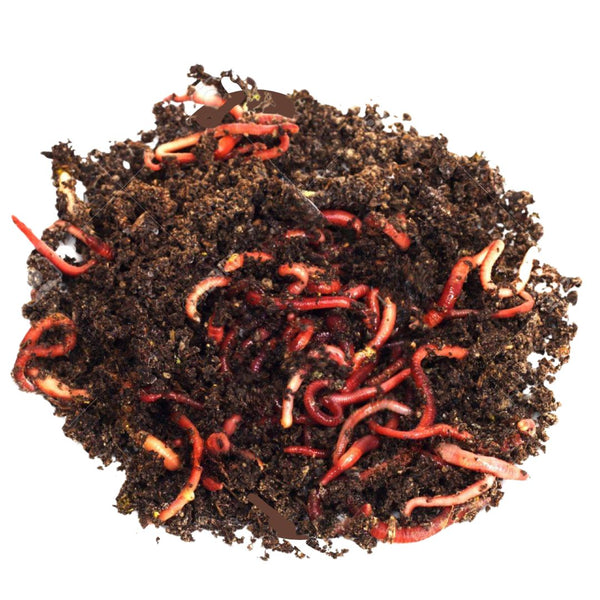
The compost portion is your garden's powerhouse; incorporate homemade compost, chicken manure, and worm castings to build a thriving soil ecosystem. These elements enhance fertility while improving moisture retention.
Don't underestimate the importance of maintaining this balance over time. As your garden grows, the organic matter gradually depletes.
Commit to regular replenishment, and you'll maintain soil health that rewards you with abundant harvests season after season.
Custom Soil Mixes for Different Growing Needs
While the perfect soil ratio provides a solid foundation, savvy gardeners know that different plants have unique requirements that call for specialized soil mixes.
Consider Mel's Mix, a blend of equal parts peat moss, vermiculite, and compost that's revolutionized raised bed gardens with its superior drainage and aeration properties.

The balanced trinity of Mel's Mix creates garden magic—where roots breathe freely and excess water simply disappears.
For sandy soils, you'll want to boost water retention by incorporating organic materials like worm castings or aged manure. These amendments not only improve structure but infuse valuable nutrients into your growing environment.
Clay-heavy areas demand a different approach—blend topsoil with coarse sand and ample compost to prevent compaction.
Maintaining and Rejuvenating Your Raised Bed Soil Year After Year
Unlike traditional gardens that benefit from natural soil renewal processes, your raised beds require intentional care to maintain their productivity year after year.
Establish a biannual rhythm—spring and late summer—for replenishing organic matter through topdressing rather than disruptive tilling. Your soil's health depends on diversity, so incorporate a rich tapestry of materials: compost, fallen leaves, and worm castings create a robust nutrient profile.
Don't underestimate the power of a good mulch layer. Beyond preserving precious moisture, it suppresses unwanted weeds while gradually enriching your bed as it decomposes.
During dormant seasons, leverage nitrogen-fixing cover crops like fava beans to revitalize soil structure.
Finally, become a vigilant soil detective—regular monitoring of plant performance reveals hidden nutrient needs long before they become critical problems.
Frequently Asked Questions
What Is the Best Soil Combo for Raised Garden Beds?
You'll achieve gardening magic with a 50% topsoil, 30% compost, and 20% organic matter blend. This rich combination guarantees perfect drainage while feeding your plants the nutrients they're craving!
What Should I Fill My Raised Garden Bed With?
Fill your bed with a 50% topsoil, 30% compost, and 20% organic mix like worm castings. You'll want at least 8-12 inches of this crumbly mixture for thriving plants and proper drainage.
