

























The Best Eco-Friendly Supplies for Your Garden

The Best Eco-Friendly Supplies for Your Garden
When you create your garden, you're making choices that impact the planet for years to come. Your tools, planters, fertilizers, and watering systems all leave an environmental footprint—for better or worse. You don't need to sacrifice quality or results to garden sustainably. The right eco-friendly supplies can actually improve your garden's health while reducing waste and harmful chemicals. Ready to transform your garden into an earth-friendly oasis?
Key Takeaways
- Tempered boron steel and ash hardwood tools eliminate microplastics and provide better grip with minimal environmental impact.
- Cedar raised beds and coconut coir planters offer sustainable, chemical-free alternatives to treated wood or plastic containers.
- Compost bins transform kitchen waste into nutrient-rich soil while reducing landfill contributions and chemical fertilizer dependence.
- Rainwater harvesting systems paired with drip irrigation can reduce garden water consumption by up to 70%.
- Natural pest control solutions like neem oil and biological controls protect plants without harming beneficial insects or soil ecology.
Sustainable Tools and Equipment for Mindful Gardeners
Gardeners with a green thumb know that truly sustainable gardening starts with the right tools. When you invest in garden tools crafted from tempered boron steel and sustainable ash hardwood, you're making a choice that benefits both your garden and the planet.

These eco-conscious alternatives to plastic-heavy options eliminate the microplastic contamination that can damage soil ecology and impair nutrient retention.
The Floral Society's garden kit ($86.00) offers pruning shears and other essentials designed for longevity, reducing the waste cycle of disposable tools.
You'll find these premium implements not only perform better but connect you more authentically to your gardening practice. The natural materials provide superior grip and balance while ensuring your environmental footprint remains minimal.
It's a win-win for dedicated gardeners who understand that quality tools yield quality results.
Eco-Conscious Planters and Garden Beds
Three essential elements define truly eco-conscious planters: sustainable materials, thoughtful design, and lifecycle impact. When you're selecting containers for your garden, prioritize options made from natural cedar, recycled plastics, or biodegradable materials like coconut coir that return to the earth after use.
| Material Type | Benefits | Sustainability Level |
|---|---|---|
| Natural Cedar | Rot-resistant, insulating | High |
| Recycled Plastic | Durable, weather-resistant | Medium-High |
| Coconut Coir | Biodegradable, nutrient-rich | Very High |
| Bamboo | Renewable, lightweight | High |
| Reclaimed Wood | Character, zero waste | Very High |
Raised garden beds crafted from untreated, sustainable wood offer improved drainage while enhancing soil health. You'll find these eco-conscious options not only support plant growth through optimized water retention and airflow but also align with your commitment to environmental stewardship.
Natural Alternatives to Chemical Fertilizers and Pesticides
While chemical products promise quick results, they often leave lasting environmental damage that contradicts the core values of sustainable gardening. Your garden deserves better—and nature provides all the solutions you need.
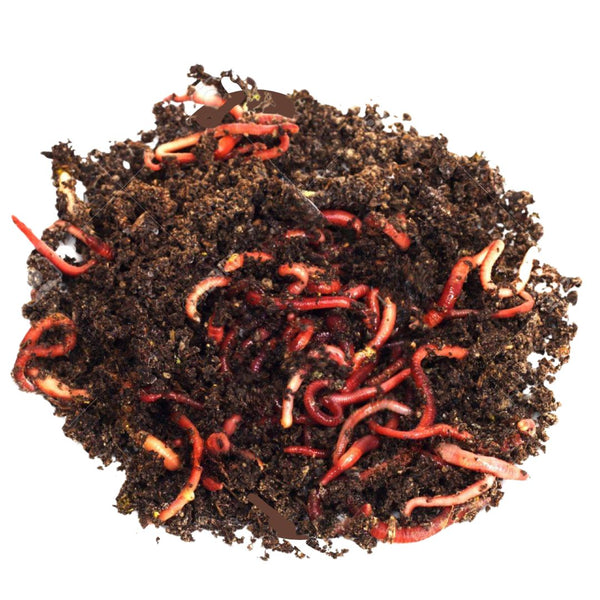
Start with a quality compost bin to transform kitchen scraps and yard waste into nutrient-rich soil that improves structure and water retention.
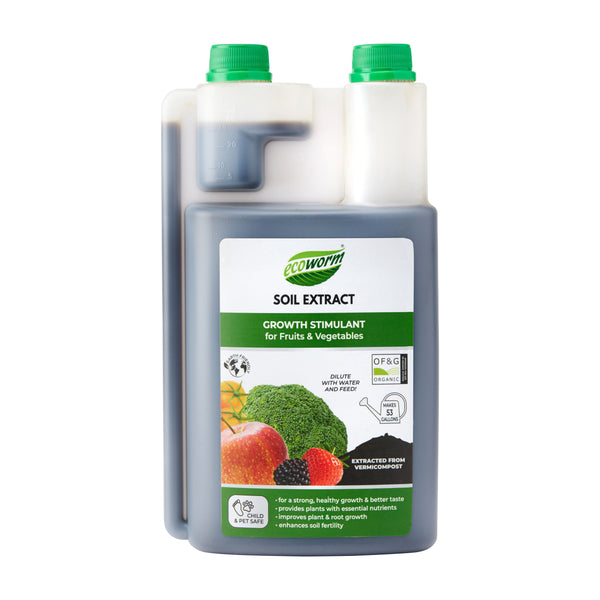
Supplement with organic fertilizers like bone meal and fish emulsion that release nutrients gradually without harmful runoff.

Embrace biological pest control by welcoming ladybugs and lacewings that naturally manage pest populations.
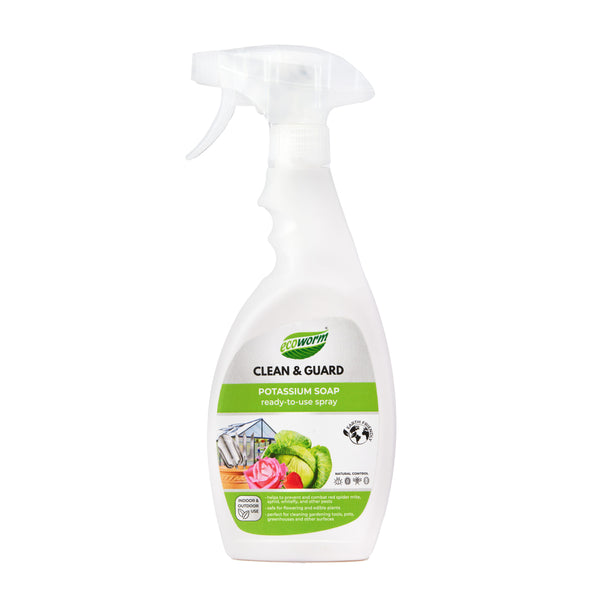
Neem oil offers targeted pest management while preserving beneficial insects.
Don't overlook strategic planting techniques—crop rotation and companion planting build natural resilience in your garden ecosystem, reducing the need for intervention while promoting vibrant plant health.
Water Conservation Systems for Responsible Garden Management
Just as a garden thrives with natural pest solutions, it also flourishes when we respect our planet's most precious resource: water.
You can transform your garden into a model of water conservation by installing a rainwater harvesting system, cutting water usage by up to 50%.
Pair this with drip irrigation or soaker hoses that deliver moisture directly to plant roots, reducing consumption by 30-70% compared to traditional sprinklers.
Water wisdom: Direct moisture to thirsty roots and watch your garden thrive while your water bill shrinks.
Don't overlook the power of mulching around your garden planters—this simple practice retains soil moisture and cuts watering needs by up to 30%.
For maximum efficiency, integrate moisture sensors that activate your irrigation system only when truly needed.
These intelligent technologies guarantee you're providing just the right amount of water, saving resources while maintaining your garden's vibrant health.
Frequently Asked Questions
How Do I Attract Beneficial Insects Without Using Commercial Products?
Plant native flowers, herbs, and wildflowers to attract pollinators. You'll create a diverse habitat with shallow water sources, undisturbed soil areas, and minimal garden cleanup, keeping beneficial insects returning year-round.
Can Kitchen Scraps Be Used Directly in Garden Soil?
No, don't add raw kitchen scraps directly to garden soil. You'll attract pests and create imbalances. Compost them first to break down into nutrient-rich material your plants will love.
What's the Carbon Footprint of Bamboo Versus Plastic Gardening Supplies?
Bamboo's carbon footprint is considerably lower than plastic's. You'll reduce emissions by 80-90% when choosing bamboo tools, as they're renewable, biodegradable, and don't rely on fossil fuel production.
Are Homemade Seed Starting Mixes Effective for All Plant Varieties?
No, homemade seed mixes aren't universally effective. You'll need to customize them based on your plants' specific needs—some require more drainage, while others need higher nutrient retention.
How Long Do Upcycled Garden Materials Typically Last Outdoors?
You'll get 1-5 years from most upcycled materials, depending on what you're using. Plastic containers last longer, while cardboard breaks down quickly. Metal items can last decades with proper treatment.
